 Dream Decoder
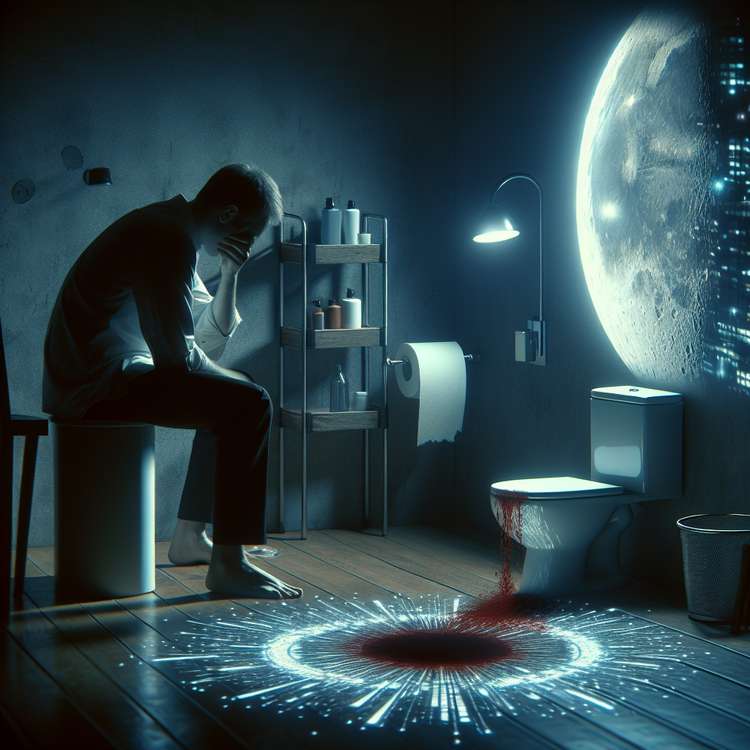
A dream about blood in a toilet often points to anxiety about something private, uncomfortable, or hard to put right. The blood may make the situation feel urgent, while the toilet suggests a wish to deal with it and move on; neither symbol predicts that something bad will happen.
What happened in the dream?
One dreamer described being in a dim bathroom, needing to use a toilet that was already full. They noticed blood near the bowl, tried to wipe it away with paper that kept tearing, and flushed without changing anything. The light flickered, and they woke feeling frightened.
The detail that matters most is the failed attempt to fix the problem. Needing the toilet creates pressure; being unable to use or clean it removes an ordinary way to get relief. If that sequence feels familiar, consider where this week you have been trying to complete a task or settle a worry but keep finding another obstacle.
The bathroom also matters because it is usually a private place. A dream can turn a concern you would rather handle quietly into something visible and difficult to ignore. That does not mean you are hiding a terrible secret; it may be as ordinary as embarrassment about asking for help.
What does a blood-and-toilet dream usually mean?
A deadline you cannot clear
If you are facing a deadline, the blocked toilet and ineffective flush can resemble a task that refuses to leave your list. The blood adds a sense of alarm: a small mistake may feel costly even when you do not know yet whether it is. Ask whether the dream's strongest feeling was urgency, frustration, or fear of someone seeing the unfinished work.
For example, you might have submitted a form but still be waiting for confirmation, or spent hours fixing one problem only to discover another. The dream is not telling you how the deadline will turn out. It may reflect the strain of having no clear signal that you are done.
A private worry during a move or change at home
During a move, renovation, or crowded living arrangement, even basic routines can become inconvenient. A bathroom you cannot use may echo a lack of privacy or control over your space. If someone else was nearby in the dream, their presence may matter more than the blood: were you worried they would come in, judge the mess, or expect you to handle it?
Feeling responsible for a problem you cannot solve alone
If you are caring for a parent, supporting a friend through a breakup, or managing a family conflict, repeatedly cleaning and flushing can resemble the effort of keeping things under control. The dream may fit a week in which you have been doing the practical work but still feel that the underlying issue remains. Notice whether you felt responsible for the bathroom simply because you were the one who found it.
These readings can overlap, but none is a fixed translation. In particular, blood in a dream can signal alarm without representing an actual injury; the useful question is what made you feel that something needed immediate attention.
How do the details change the meaning?
- The bathroom is at home: A familiar setting can point toward household routines, privacy, or a concern you bring back with you after the day ends. A bathroom at work or school may fit pressure to appear capable in front of others.
- Someone is waiting outside: The dream may be less about the mess than about being rushed or exposed. Think of a person whose expectations felt hard to meet this week, rather than assuming the dream character stands for that person exactly.
- You cannot use the toilet: This can sharpen the feeling that your own needs keep getting postponed. If you were trying to clean it for somebody else first, consider whether you have been putting their immediate demands ahead of a task you need time for.
- The flush finally works: Relief at the end may fit a recent moment when you found a way forward, even if you still woke shaken. If nothing changes, the unresolved feeling may be the part worth writing down.
- You feel disgust rather than fear: Disgust may draw attention to a boundary you wish you could set. Fear may be more closely tied to uncertainty about consequences; frustration may reflect repeated effort with little result.
What do other dreamers report?
In dreams recorded in Dream Decoder, blood appears in 44 dreams. The emotions people tagged most were fear (66%), anxiety (39%), confusion (16%), and helplessness (16%); 45% of those dreams were nightmares. Blood most often appeared alongside teeth, school, hospital, death, and pain, with each pairing recorded in 3 dreams.
Toilet appears in 19 recorded dreams. The most-tagged emotions were anxiety (42%), disgust (26%), confusion (21%), and frustration (21%); 11% were nightmares. House was its most frequent pairing, appearing together in 3 dreams.
Those figures suggest that blood is often reported with alarm, while toilet dreams more often involve everyday discomfort or frustration. They do not give a rate for dreams containing both symbols, and these small sets of recorded dreams cannot tell you what your particular dream means. Use the feeling you remember as a clue, not the percentages as a verdict.
What should you ask yourself about this week?
- What was the first problem this week that felt urgent but had no obvious next step?
- Did I try to tidy up a mistake, delay, or awkward conversation before anyone else noticed it?
- Where have I needed privacy, time, or a basic break and found it difficult to get?
- Was I more disturbed by the blood, by being unable to use the toilet, or by the flush not working?
- Did anything the day before the dream involve a bathroom, a health-related worry, a mess to clean, or a task I could not finish?
What can you do with the dream now?
Write down the scene and its feeling. Keep the description brief, then name the moment that upset you most: seeing the blood, trying to clean, or finding that the flush did nothing. That distinction gives you something more specific to reflect on than a general label such as stress.
Check the day before. Note any deadline, household disruption, difficult conversation, or ordinary bodily sensation that might have supplied part of the scene. You do not need to find one perfect explanation; a dream can borrow its setting from one experience and its emotion from another.
If it recurs, try a different ending while awake. Write a short version in which you can leave the bathroom, get help, or find a working toilet, and picture that ending before bed. This is a simple way to use the idea behind imagery rehearsal: changing the part of the story where you felt stuck, rather than trying to prove what the symbols mean.