 Dream Decoder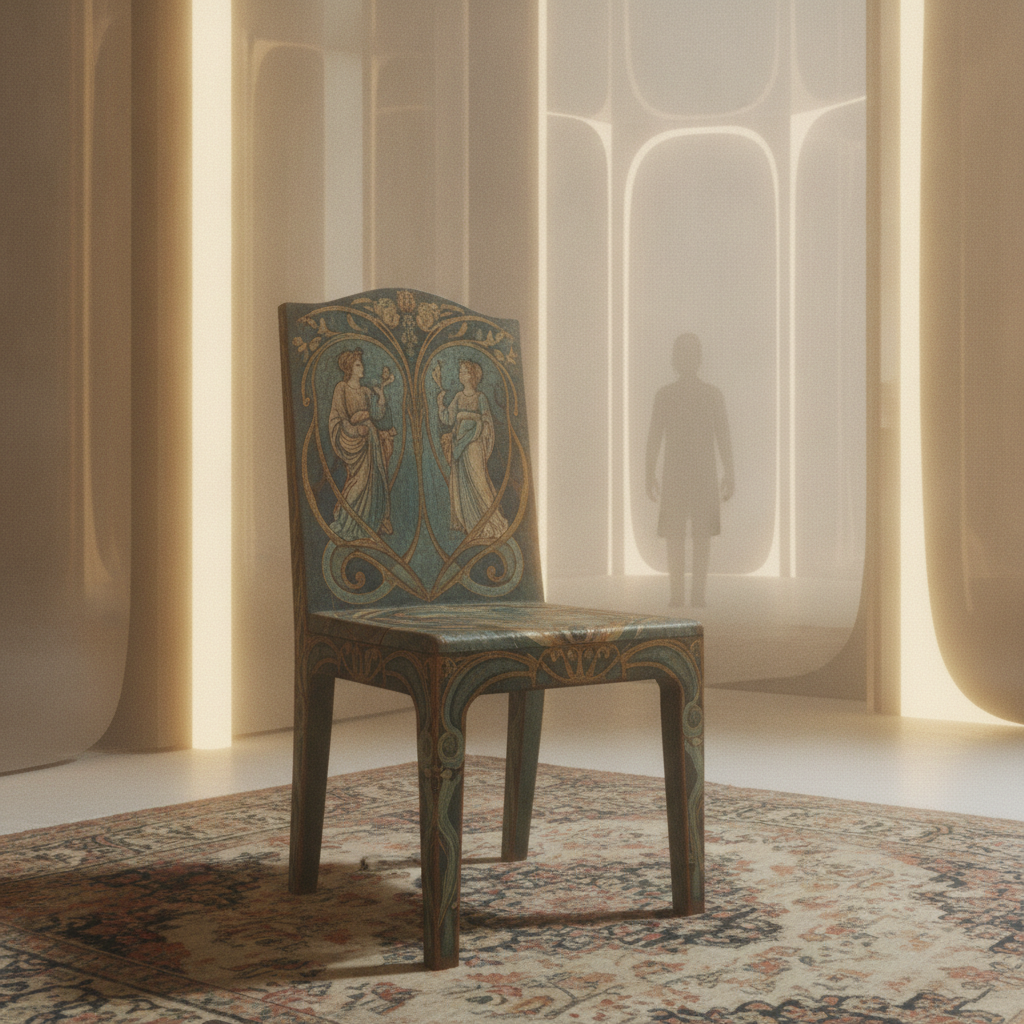
A dreamer found themselves in a scenario where a figure they instinctively knew as their husband felt entirely unfamiliar. This sense of knowing someone intimately yet perceiving them as a stranger was unsettling. Later in the dream, they visited an old acquaintance who was unwell and preferred to be left alone, despite the dreamer's concern. The dream also involved a creative act, painting a piece of furniture, followed by an attempt to "fix" it after it was already completed.
What this dream means
Dreams often serve as a canvas for our subconscious to process complex emotions and navigate the intricacies of our waking lives. This particular dream seems to be a profound reflection on relationships, personal boundaries, and our innate desire for control and perfection. The central theme revolves around a mix of familiarity and uncertainty, suggesting a period of re-evaluation in the dreamer’s life, particularly concerning their closest connections and personal responsibilities. The feeling of being with a known companion who feels like a stranger can highlight an internal questioning of roles, identity, or the evolution of a relationship. It doesn't necessarily portend issues, but rather signifies a profound internal process of understanding new facets of someone you thought you knew, or even new facets of yourself that are emerging.
Furthermore, the encounter with an unwell acquaintance who sought solitude brings to light the delicate balance of caregiving and respecting personal boundaries. This scenario can reflect real-life challenges in supporting loved ones who may be grappling with their own struggles and prefer to handle them independently. It can evoke feelings of concern, helplessness, and the struggle to accept that some situations are beyond our immediate ability to 'fix.' The subsequent act of painting a chair, then feeling the urge to 'repair' it, adds another layer to this narrative. It symbolizes our inherent drive to create, improve, and perfect, but also raises questions about when to let go, when a task is truly complete, and when our attempts to 'fix' might be unnecessary or even detrimental. The dream culminates with an anticipation of a significant transition, suggesting a desire to move forward and embark on a new chapter despite these complex emotional landscapes, seeking clarity and new perspectives.
The psychology behind it
From a psychological perspective, this dream touches upon several key concepts. The 'unfamiliar husband' can be an manifestation of the Shadow Self in Jungian psychology – aspects of ourselves, or even our intimate relationships, that remain unconscious or unacknowledged. When a familiar figure appears as a stranger, it can signify that certain dynamics, traits, or feelings within that relationship (or within yourself in relation to that person) are surfacing, demanding recognition. This cognitive dissonance – knowing someone but perceiving them as a stranger – is the mind's way of grappling with change, new information, or an evolving understanding of reality.
The encounter with the ailing friend who desires solitude speaks to the psychological concept of boundaries and empathy. It reflects the internal struggle of wanting to provide support while also acknowledging and respecting another's autonomy and need for space. This can be particularly salient if the dreamer is a natural caregiver or struggles with feelings of powerlessness when unable to 'help' in a tangible way. It might also be a projection of the dreamer's own subconscious need for space and self-reflection, urging them to examine where they might be neglecting their own needs for solitude and healing. The act of creation (painting) followed by the urge to 'fix' it, aligns with themes of perfectionism and control. Psychologically, this illustrates a deep-seated desire to ensure everything is 'just right,' often stemming from anxieties about imperfection or a perceived lack of control in other areas of life. It highlights the internal conflict between completion and continuous improvement, and the mental energy expended on tasks that might already be satisfactory, prompting a reflection on when to trust one's initial efforts and release the need for constant revision.
The symbolism of the Unfamiliar Husband
The symbol of a husband, who is recognized yet perceived as a stranger in a dream, is deeply potent. It rarely means a literal estrangement. Instead, it often represents a new phase or aspect of your relationship with that individual, or even an aspect of your own inner self that is coming to light. This figure can symbolize your evolving understanding of companionship, partnership, or commitment. It might suggest that you are confronting new roles or responsibilities within your relationship, or that your partner is undergoing personal changes that make them feel 'different' to you. It can also signify a projection of your own evolving identity, where familiar parts of yourself are being challenged or re-evaluated, making your 'inner partner' feel unfamiliar. This symbol encourages introspection into the current state of your close bonds and how well you truly know – or are willing to know – the ever-changing landscape of those relationships and yourself.
The symbolism of the Ailing Friend and the Painted Chair
The appearance of an old acquaintance who is unwell and desires to be left alone speaks volumes about boundaries and the complexities of support. This dream element can reflect real-life situations where you feel concerned for someone but are unsure how to help, or perhaps you're learning to respect someone's need for space, even when it's difficult. It touches upon feelings of helplessness or a desire to 'fix' situations that are beyond your control, or where your intervention is not wanted. This could also mirror your own subconscious need for self-care or acknowledging parts of yourself that need space to heal.
Connecting to this, the act of painting a chair, then attempting to 'fix' it, symbolizes a struggle with control, perfection, and the timing of completion. Painting is an act of creation and expression. Once finished, the chair is complete. The subsequent urge to 'fix' it might represent a tendency to overthink, over-analyze, or strive for an unattainable perfection in various areas of your life. It could reflect a situation where you've invested time and effort, only to feel compelled to revisit it, questioning if it's 'good enough.' This dream element might be nudging you to recognize when to let go, when a creation is finished, and when a situation is best left alone rather than subjected to continuous 'repair' or unnecessary intervention.
Reflect on your dream
Dreams like this offer a rich landscape for self-reflection. They invite us to look at our relationships, our instincts to help, and our drive to perfect, with fresh eyes. What unfamiliar aspects are emerging in your own life? Where are you being called to respect boundaries, or perhaps, to simply let go of the need to fix? By acknowledging these internal dynamics, you can gain deeper insights into your waking experiences and navigate your path forward with greater clarity.