 Dream Decoder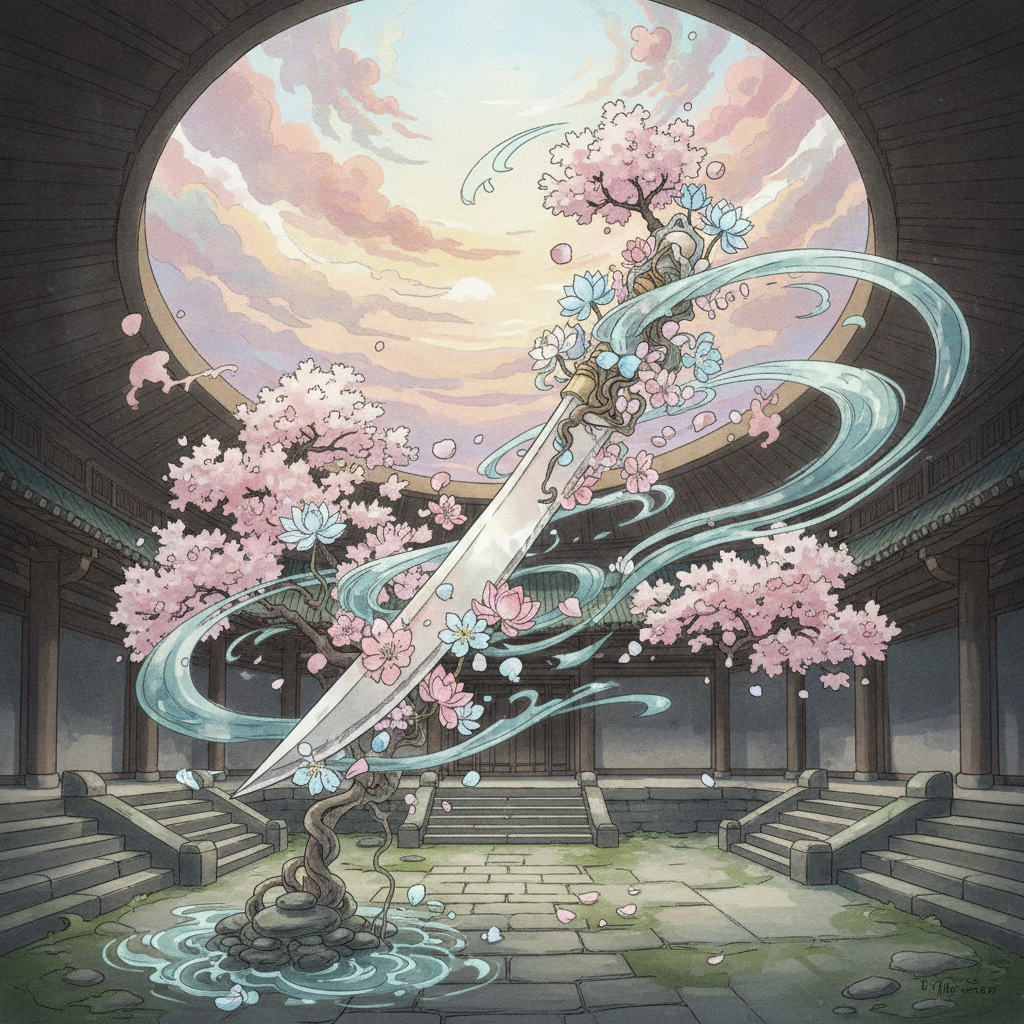
A dreamer found themselves in a profound and complex scenario, bearing a significant metaphorical wound—a knife embedded in their chest. Yet, this object was not treated as a source of immediate terror or a foreign intrusion, but rather as an accepted, even carefully tended, part of their very being. This unique state led the dreamer to an unexpected companionship with the very figure initially associated with this pain, embarking on a shared journey through landscapes of serene beauty and experiencing moments of transient yet profound peace.
What this dream means
Dreams like this often serve as powerful metaphors for our waking lives, particularly concerning deep emotional experiences and personal growth. The core message here revolves around the theme of acceptance, transformation, and finding peace amidst past or ongoing difficulties. The knife, typically a symbol of harm, injury, or threat, is remarkably transformed in this dream. It is not removed, but integrated, suggesting that a significant past hurt or challenge has been acknowledged and accepted as part of the self, rather than being repressed or fought against. This integration implies a movement beyond mere survival to a state of profound self-awareness and healing.
The coexistence with the figure initially associated with the pain speaks volumes about internal reconciliation. It suggests a process of making peace with difficult aspects of one's past, or even integrating a 'shadow' side of oneself or an experience that once felt adversarial. This journey through beautiful scenery signifies that even in the aftermath of pain, or perhaps precisely because of it, new perspectives and moments of profound beauty, growth, and understanding can emerge. The fleeting nature of these beautiful moments emphasizes the transient quality of all experiences, encouraging an appreciation for the present and the ongoing process of change. This dream points to a deep psychological and spiritual 'alchemization' of suffering into strength, highlighting a journey from burden to a unique form of wisdom and resilience.
The psychology behind it
From a psychological perspective, this dream offers rich insights into the human capacity for healing and transformation, particularly regarding trauma and difficult life experiences. The concept of the 'knife' becoming an integrated part of oneself strongly aligns with trauma integration. Instead of expelling or denying a painful memory or experience, the psyche has begun to process it in such a way that it no longer solely dictates suffering. It becomes a part of the individual's narrative, a scar that tells a story of resilience rather than an open wound. This doesn't mean the pain is forgotten, but its meaning and impact are profoundly recontextualized.
Furthermore, the befriending of the 'aggressor' can be interpreted through the lens of Jungian psychology, specifically shadow work and the integration of opposites. The 'aggressor' might represent a disowned part of the self, aspects that were deemed negative, or the external circumstances that caused harm. By acknowledging and integrating this figure, the dreamer is engaging in a deep process of reconciliation, finding a path to inner peace by understanding rather than constantly fighting against their past. This often leads to a more complete and authentic self.
This dream also resonates with principles from Acceptance and Commitment Therapy (ACT), which emphasizes accepting difficult thoughts, feelings, and sensations rather than attempting to control or eliminate them. By accepting the 'knife' and coexisting with its source, the dreamer is demonstrating a form of psychological flexibility that allows them to move towards valued living despite the presence of internal pain. This isn't passive resignation but an active, mindful choice to engage with life fully, pain included.
Finally, the journey through beautiful landscapes after experiencing such profound integration points towards post-traumatic growth. This psychological phenomenon describes the positive psychological changes experienced as a result of struggling with highly challenging life circumstances. It suggests that individuals can not only recover from trauma but can also develop new understandings of themselves, others, and the world, often leading to increased appreciation for life, stronger relationships, and a deeper sense of purpose.
The symbolism of the knife, water, and siheyuan
Each element in this dream contributes layers of meaning, weaving together a complex tapestry of the psyche's journey.
The Knife: As established, the knife here moves beyond its literal, menacing implication. It symbolizes a significant, perhaps deeply personal, wound or burden. Yet, its integration into the self, becoming something cherished rather than feared, represents the profound process of accepting past harm. It transforms from a symbol of pain into a unique identifier, a testament to resilience, and perhaps even a source of unconventional strength or wisdom. This 'knife' is no longer something to be removed but a part of one's lived experience that shapes identity and perspective.
Water: Whether flowing through a tranquil courtyard or seen in a broader landscape, water in dreams almost universally symbolizes emotions, the subconscious mind, purification, and the flow of life. Its presence in this dream, especially in serene settings, suggests a cleansing or calming of emotional turmoil. It indicates a stage where emotional processing is occurring, leading to a state of inner peace and acceptance. The gentle nature of the water amidst a story of pain and transformation signifies that emotional healing is taking place, allowing for fluidity and new growth.
Flowers: These are potent symbols of beauty, growth, ephemeral joy, and new beginnings. The appearance of flowers in the dream, particularly when paired with scenes of beauty, emphasizes that even after or alongside deep pain, life's inherent beauty and potential for renewal persist. They represent the blooming of the self, the discovery of joy, and the transient nature of all things – both pain and pleasure. Flowers remind us to appreciate the present moment and the delicate strength found in growth.
The Siheyuan (Courtyard House): This traditional architectural element, especially significant in Chinese culture, often represents an inner world, personal space, security, tradition, or a well-ordered psyche. In the context of this dream, a siheyuan could symbolize the dreamer's internal sanctuary, a private and contained space where deep inner work and emotional processing occur. It suggests a journey of self-discovery and transformation happening within a personal, protected realm, allowing for introspection and the integration of complex experiences in a structured yet peaceful environment.
The Sky: The vastness of the sky often represents possibilities, spiritual insights, perspective, and freedom. Its ever-changing nature reflects emotional states and the transient quality of all experiences. A clear or serene sky can signify mental clarity, hope, and an expansive outlook on life, even after overcoming profound challenges. It suggests an overarching sense of peace and a recognition of larger universal truths that transcend individual suffering.
Reflecting on Your Dream
Dreams like this are deeply personal, yet their themes of pain, acceptance, and transformation resonate universally. As you reflect on this interpretation, consider the 'knives' you might be carrying in your own life. Are there past hurts, burdens, or difficult experiences that you have yet to fully acknowledge or integrate? How do you relate to the source of your past pains—is there a part of you that seeks reconciliation or understanding?
This dream invites us to consider how we can transform our burdens into unique strengths, finding unexpected companionship even with the challenging aspects of our journey. What 'beautiful scenery' awaits you as you embrace a more accepting and transformative perspective on your own experiences? Remember, personal reflection is key to unlocking the deepest meanings of your own nocturnal narratives.