 Dream Decoder
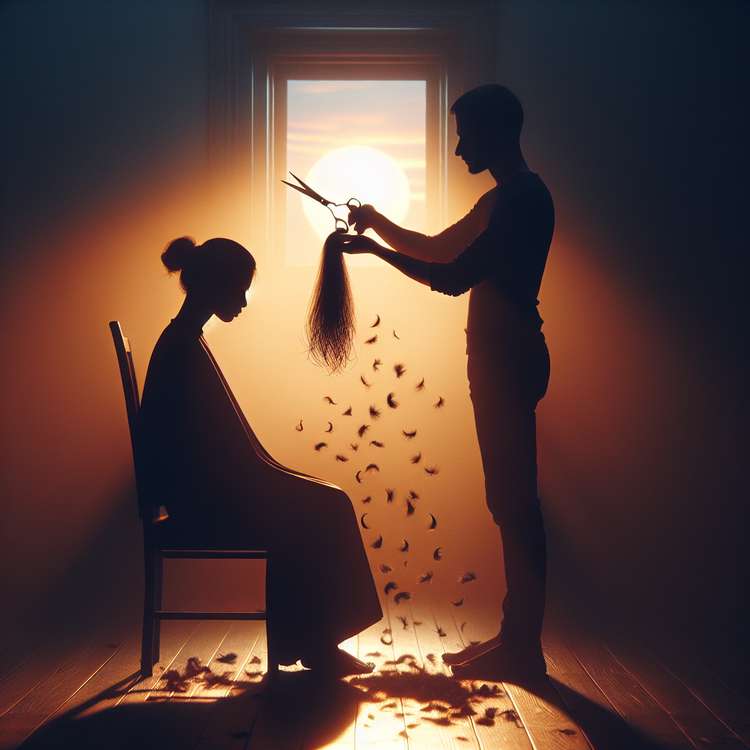
A dream about a haircut and light often points to a change in how you see yourself: you may be ready to let something go, but unsure what will follow. The haircut can represent a choice or a loss of control, while the light can suggest clarity, relief, or the uncomfortable feeling of being seen. Your feelings during the dream are the best clue to which reading fits.
What happened in the dream?
One dreamer described sitting in an unfamiliar room and slowly cutting their own hair. They felt lighter as strands fell, then uneasy when the room darkened; a narrow beam of light appeared across a mirror near the end. They woke wondering whether they had made the right choice.
What matters is the sequence, not just the objects. The dreamer acts deliberately, feels both relief and doubt, and sees light after a moment of darkness. That combination may resemble a waking decision that brings freedom but also leaves something unresolved.
The mirror matters, too: it turns the result into something the dreamer has to look at. If you remember checking your reflection, ask whether your concern was about how you felt or how other people might see you. Those are different worries, even when they follow the same decision.
What does a haircut and light usually mean?
You are choosing a change, but cannot see all its effects
If you are preparing for a move, leaving a job, or deciding whether to accept a new role, cutting your own hair may echo the act of making the change yourself. Light at the end can reflect a hoped-for sense of direction. The brief darkness fits the uncertainty between deciding and knowing how things will turn out.
Notice whether you felt capable while holding the scissors. A steady hand may fit a choice you have considered carefully; hesitation may fit a choice you feel rushed to make. Neither detail tells you which option to take, but each can identify the part of the decision that needs your attention.
You want relief from an expectation
A haircut can make a visible difference quickly. If this week has involved a demanding deadline, caring for a parent, or trying to meet someone else's standards, the falling hair may stand for a wish to put down some of that weight. Light can make the relief feel possible, while the shadow may reflect worry about disappointing someone.
In this reading, the key question is not whether you should change your appearance. It is whether there is a responsibility you have treated as permanent when it may be adjustable. The dream may give a simple image to a complicated wish: to have a little more room.
You are adjusting to a changed identity
After a breakup, graduation, retirement, or a shift in a close friendship, you may still be getting used to who you are in the new situation. Hair is part of how many people recognize themselves, so cutting it can evoke both renewal and the strangeness of looking different. A beam of light on a mirror may draw attention to that moment of recognition rather than promise a fresh start.
This reading fits especially well if the dream lingered after you woke without a clear feeling of fear. You might not be resisting the change itself; you may simply need time to recognize yourself within it.
Which details change the meaning?
- You cut your own hair: The dream puts the decision in your hands. If you felt calm, think of a change you are choosing; if you felt pressured, consider where a choice feels urgent rather than free.
- Someone else holds the scissors: Attention may shift to trust and influence. A recent conversation with a manager, relative, or friend could matter more than the haircut itself, especially if you could not ask them to stop.
- The room is unfamiliar: An unfamiliar setting can fit a new workplace, home, or social role. If the room resembles a place you know, its associations may be more useful than a general interpretation of hair.
- The light reveals the result in a mirror: This can put the focus on seeing yourself after a change. If you avoid looking, ask what outcome you would rather not face yet; if you welcome the reflection, the change may feel more settled.
- The light feels harsh instead of warm: Brightness is not always reassuring. It may resemble scrutiny or a deadline that makes a private decision feel public.
- The dream ends before you finish: An unfinished haircut can fit a decision still in progress. Waking before you see the result may reflect uncertainty, not a sign that anything will go wrong.
What do other dreamers report?
In dreams recorded in Dream Decoder, light appears in 22 dreams. Among the emotions people tagged for those dreams, anxiety appears most often (32%), followed by hope (27%), fear (18%), and confusion (14%). Light also appears with a friend in 3 dreams, and 5% of the dreams featuring light were nightmares.
Those figures suggest that light is not automatically a happy image: dreamers have associated it with anticipation as well as unease. They describe dreams featuring light, not a fixed meaning for the combination of a haircut and light. The counts are small, so your own reaction to the brightness is more useful than treating the percentages as a forecast.
What should you ask yourself?
- What choice did I make, postpone, or have made for me this week? Did it bring relief alongside a cost I have not quite acknowledged?
- Was I more concerned about losing the hair, making a mistake, or being seen afterward? Which concern sounds familiar outside the dream?
- Did the light help me see, or did it make me feel exposed? Was there a moment this week when attention felt welcome or unwelcome?
- Who, if anyone, was near the scissors or the doorway? Have I recently wanted that person's approval, help, or distance?
- What would I have done next if the dream had continued: leave the room, fix the haircut, or sit with the result? What does that impulse remind me of today?
What can you do with the dream?
Write down the scene while it is still fresh, including the feeling at each turn: before the cut, when the room darkened, and when the light appeared. You do not need a polished account. A few words about whether you felt relieved, exposed, or undecided may tell you more than a long list of symbols.
Then note what happened the day before the dream. A conversation about an upcoming move, a difficult decision at work, or even seeing someone get a haircut can shape dream imagery. This is one way the continuity hypothesis is useful: it invites you to look for connections with recent life rather than assume the dream is predicting an event.
If this becomes a recurring nightmare, you can try rewriting its ending while awake: imagine setting down the scissors, choosing where to go, or letting the light reveal something reassuring. This is an imagery rehearsal exercise, not a test of whether your interpretation is correct. For an ordinary one-off dream, it may be enough to identify the choice or feeling it brought into focus and carry that question into your day.